
This course provides an introduction to the development of low-tech propagation and cultivation protocols for those working with threatened plant species.
By end of the course participants will:
- Have an understanding of the meaning and the need of propagation protocols
- Understand the steps to develop a propagation protocol
- Be able to set up a propagation protocol
- Understand the importance of collecting information
- Understand the importance of sharing results
Audience: Botanic gardens or other plant conservation partners with limited or no skills in propagation protocols
Level: Foundation
Length: 3 hours
Access: This course is open access, please click on the course title to access (you will then need to select the enroll button at the bottom of the screen). If you have any problems or questions please contact BGCI's training team.
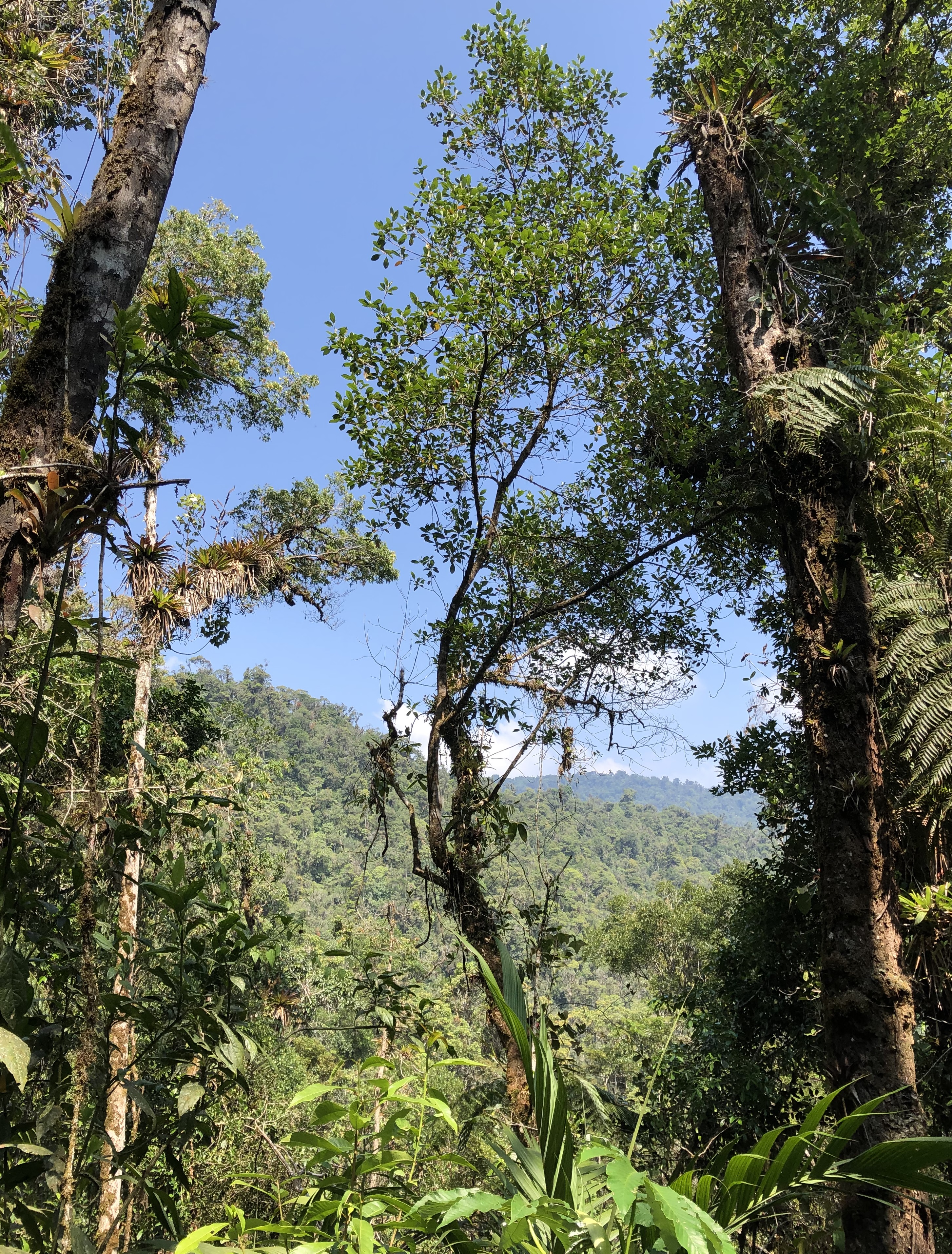
This course is aimed at botanic gardens and other tree conservation partners with limited or no skills in vegetative propagation.
By end of the course participants will:
- Have developed an understanding of the benefits and limitations of vegetative propagation
- Have knowledge of the different types of vegetative propagation
- Be able to research the best techniques for propagating a target species
- Be able to take a good quality cutting
- Be able to care for cuttings
Audience: Botanic gardens or other tree conservation partners
with limited or no skills in vegetative propagation
Level: Foundation
Length: 3 hours
Access: This course is open access, please click on the course title to access (you will then need to select the enroll button at the bottom of the screen). If you have any problems or questions please contact BGCI's training team.